Every half hour, another draw. Ithuba’s National Lotto makes you wait three or four days between shots at a jackpot that splits among winners. A 25-year-old in Roodepoort can walk into a Gbets branch, pick three numbers on a touchscreen, and know within thirty minutes whether he has turned R10 into R5,500. This is a machine built for repetition, and it runs all day in betting shops and on phone screens across the country.
Russian Gosloto has found its way into the South African market through a back door that local operators opened themselves. The game sits inside the lucky numbers betting category on licensed platforms, treated as a fixed-odds product rather than a pooled lottery. This distinction is important. A National Lotto jackpot shrinks when multiple tickets hit the same combination. Gosloto pays 550/1 for matching three numbers whether one punter gets it right or five hundred do. The bookmaker carries the risk, not the player.
The Draw Frequency That Eats the Day
Gosloto 5/36 runs 48 times daily, one draw every thirty minutes from morning until late evening. The 6/45 and 7/49 variants run multiple sequential draws throughout the day as well. This schedule is not designed for casual participation. It is designed for sustained engagement, for the punter who treats the activity as a shift rather than an event.
The contrast with Ithuba’s twice-weekly rhythm is stark. Traditional lotteries sell hope in weekly installments; Gosloto sells it in half-hour packets. A player can chase a loss, reinvest a small win, or simply maintain the low-grade stimulation of having money in play. The University of Cape Town research linking high-frequency lottery products to populations facing high unemployment and constrained mobility applies here. The product architecture matches the psychological need: frequent, tangible, immediate.
Fixed Odds and Flexible Risk
The fixed-odds structure removes one of the traditional lottery’s central uncertainties. A player betting on matching three numbers in Gosloto knows the return before the draw begins. There is no pari-mutuel pool to dilute, no surprise announcement that this week’s jackpot must be shared among seventeen winners. The bookmaker sets the price and wears the variance.
Players can also compress their risk. Rather than betting a full line and needing five, six, or seven correct numbers, punters can wager on matching just one, two, or three selections. The returns are smaller, but the hit rate rises dramatically. This product is built around regular smaller payouts that keep the player funded and engaged, not the all-or-nothing architecture of a R5 million jackpot dream.
How Local Operators Brought It In
Gbets, Goldrush, and Sunbet have integrated Gosloto across mobile apps, desktop sites, and physical retail locations. The integration is seamless in the commercial sense: punters wager in rand, winnings credit to local betting wallets, and withdrawals route directly to South African bank accounts. The friction of cross-border play, currency conversion, and unfamiliar platforms has been engineered out.
Gbets operates as the dedicated digital and retail wagering arm of Goldrush Gaming Group, licensed through the Western Cape Gambling and Racing Board under operator Dymanex PTY Ltd. The parent company carries more than two decades of operating bingo halls, slots venues, and physical casinos across Southern Africa, with JSE-listed backing from RECM, Calibre Ltd, and Agile Capital. Gaming licenses and corporate presence extend to Lesotho, Tanzania, and Mozambique. This is an established retail gambling operator adding a high-frequency digital product to its mix.
The Shop Floor Versus the Screen
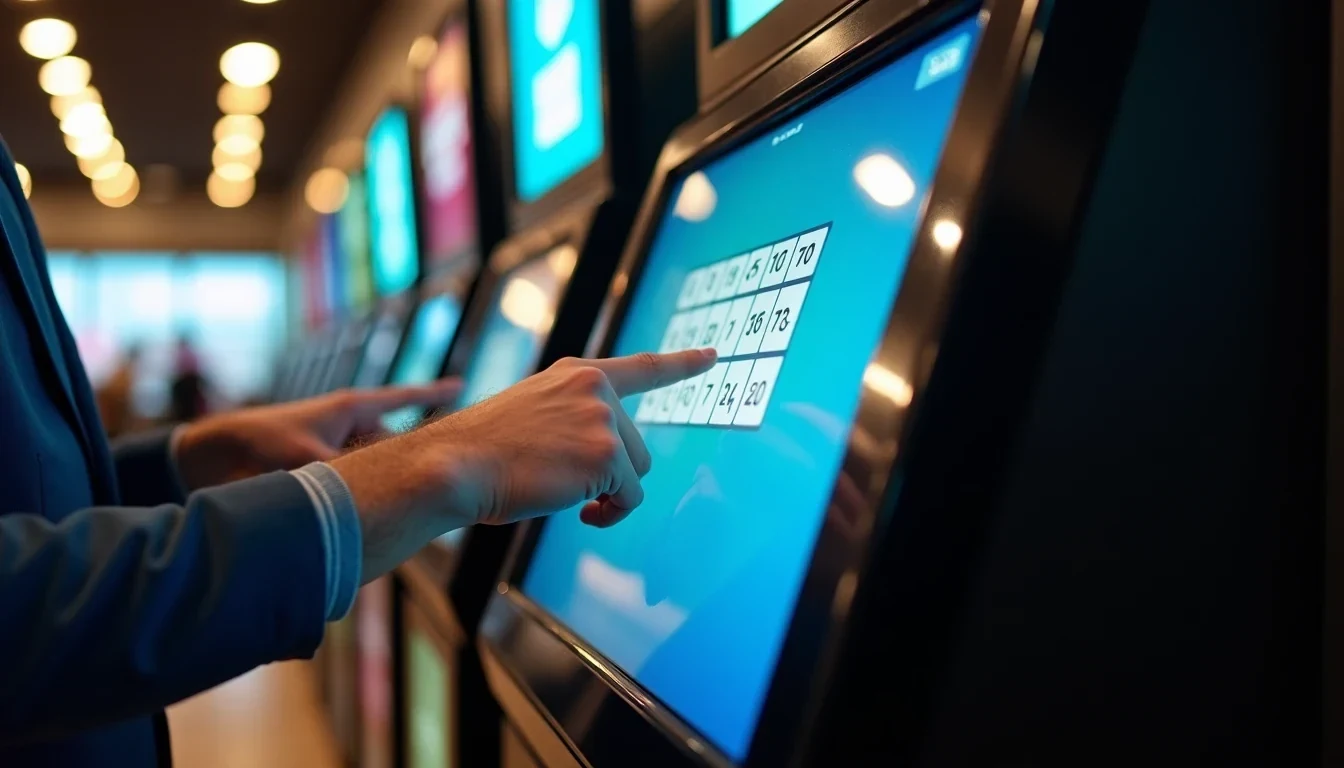
The physical footprint matters more than the marketing suggests. Gbets branches in Gauteng, the Free State, Mpumalanga, Limpopo, and the Northern Cape offer over-the-counter betting with printed slips and self-service touchscreen terminals for independent ticket generation. A player in Sasolburg Mall or Merino Mall in Ermelo can place a bet with cash, hold the physical ticket, and return to the same counter to redeem a win.
The payout mechanics split cleanly between channels. Online wagers credit automatically to digital wallets. Physical tickets require in-person redemption. This creates a modest friction that some players prefer, the tangible proof of a held slip, and others avoid, the inconvenience of a return trip for a small win. The shop floor also serves punters without reliable data, without banking apps, or simply with a preference for cash transactions and human presence.
What the Economics Reveal
The popularity of Gosloto in South African betting channels is inseparable from the economic context. The same draw frequency that reads as entertainment excess in one frame reads as financial coping in another. When formal employment is scarce and social mobility is constrained, the half-hour cycle offers something more concrete than distraction. It offers a structured, repetitive opportunity for escape, for debt clearance, for the fast-tracked financial freedom that conventional paths do not provide.
This is a market observation. The product fits the conditions. Operators have positioned it accordingly, and gambling in SA continues its long shift from weekly lottery rituals toward continuous, low-stakes, high-frequency engagement. The betting shop with a Gosloto terminal running draws every thirty minutes is not competing with Ithuba for the same player mindset. It is serving a different need entirely, one that the local industry has proven adept at identifying and filling.