
South African sports betting did not appear out of nowhere, nor did it win people over by being clever. It won because the country already had the habits, fixtures, social spaces, and appetite for a flutter long before mobile apps arrived. By the time betting moved from a shop counter to a phone screen, the market had already been trained by horse racing, national lotteries, packed stadiums, and the simple pleasure of arguing over a result with your mates while the game is still on.
The category feels rooted here. A punter in Soweto, Durban, Polokwane, or Bellville is not being sold some exotic imported habit. They are offered a familiar one with better odds, faster settlement, and fewer reasons to stand in a queue.
The old betting culture never really left
Horse racing gave the country its first serious betting habit. The Durban July still carries that old glamour, pulling in casual punters, seasoned race watchers, and people who barely touch racing the rest of the year. It established the idea that betting could be public, social, and legitimate instead of hidden away.
Then came the National Lottery in 2000, and gambling became less of a private vice and more of an ordinary purchase. That normalised the act of staking money on an outcome. By the time sports betting scaled up under the post-1996 and 2004 regulatory framework, people were already comfortable with gambling as part of the entertainment mix.
The real fuel, though, has always been sport itself. Football, rugby, and cricket are not niche interests here. They are weekly conversation, workplace argument, and family routine. Bafana Bafana, the Springboks, and the Proteas each trigger a different kind of national expectation, but they all create the same effect: people want skin in the game.
Shops made betting feel local and immediate
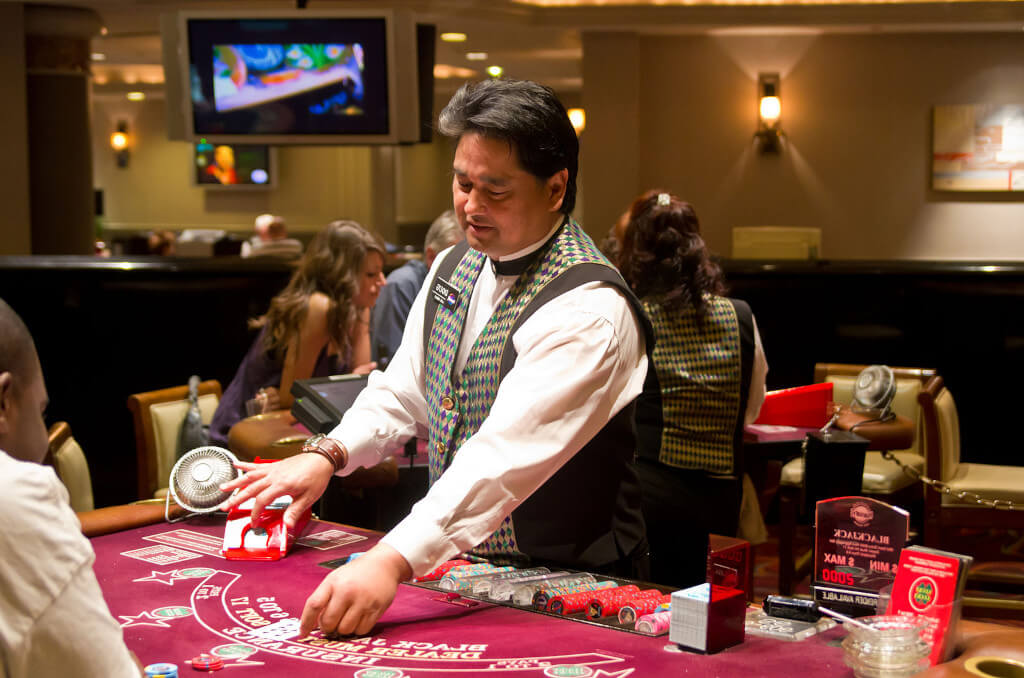
Retail betting shops still do a lot of the heavy lifting. They are more than just transaction points. In many town centres and township strips, they behave like informal clubhouses where people compare slips, watch scores, and talk about the same match from three different angles.
Cash matters here. A large part of the market still prefers to deposit and withdraw physically, which keeps the shop-floor model relevant. Operators such as Hollywoodbets and Betway have built wide footprints because location matters more than glossy branding. If a shop is near taxis, spaza traffic, a mall entrance, or a busy main road, it gets used.
The social side counts too. Retail betting is noisy, communal, and low-friction. You can walk in, ask a question, place a simple bet, and leave without having to trust a payment gateway or memorise a login. This simplicity is a big reason the retail side has not been replaced by digital betting; it has been absorbed into the same habit pattern.
Football still drives the biggest volume
Football is the engine room. The DStv Premiership, especially fixtures involving Kaizer Chiefs and Orlando Pirates, produces the kind of betting activity that gets operators paying attention long before kickoff. The Soweto Derby is a market mover because it is an event with history, noise, and emotion attached to it.
Rugby is the next serious pillar. Springbok tests, the Rugby Championship, the URC, and the Currie Cup all pull in money because the audience is loyal and the margins for error can feel thin. Cricket rounds out the core trio, with SA20 adding the kind of fast-moving format that suits live betting and in-play swings.
Horse racing still matters too, especially around the Durban July and the Met. It may not dominate the modern sportsbook, but it keeps the older betting culture visible and profitable.
Online betting changed the pace, not the appetite
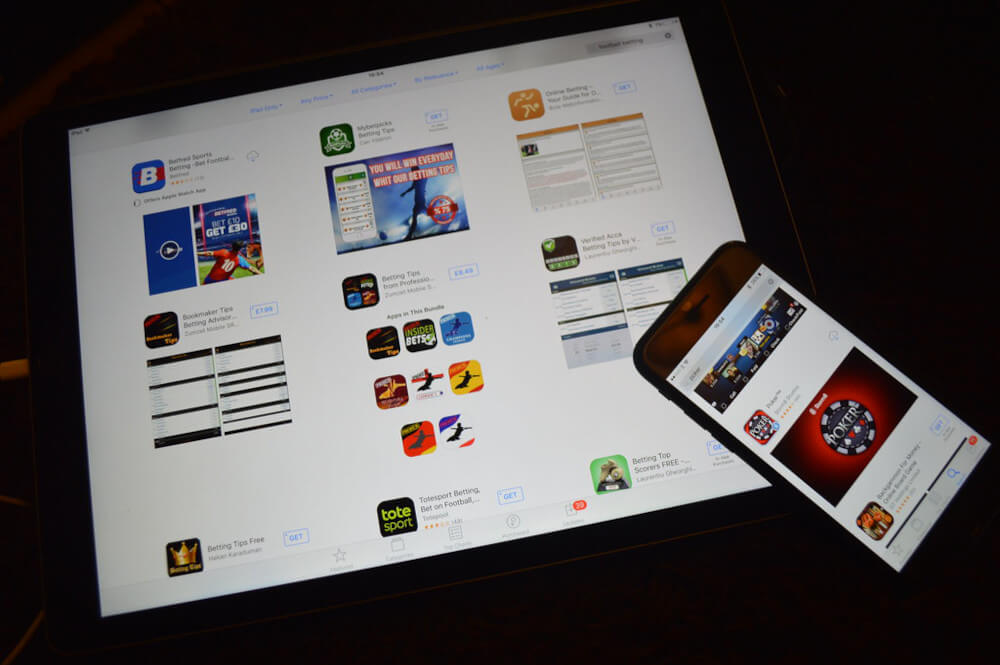
The phone did not create the appetite for betting. It changed when and how people act on it. Mobile access turned dead time into betting time. A commuter can check a line, place a wager, and move on before the train reaches the next stop. A punter watching a match at home can react to a red card or a missed penalty in real time.
Sports betting in South Africa has become more aggressive and varied. Online books offer in-play markets, cash-out options, player props, totals, handicaps, and niche competitions that a retail counter would never try to display in full. The digital channel is wider, faster, and better suited to punters who want more control over each slip.
The online crowd also tends to compare prices. A tiny difference in odds on a popular match can decide where the money lands. That pressure forces operators to sharpen promotions, reload offers, and loyalty schemes instead of relying on brand familiarity alone.
Promotions and product depth keep people moving
South African bettors are not blind to value. They chase sign-up bonuses, free bets, cashback, and loyalty rewards, but they are not fooled by gimmicks for long. A weak line or poor market depth will empty a promotion faster than a bonus can fill it.
Operators keep expanding into multi-market coverage, live pricing, and flexible cash-out tools. The more experienced bettor wants options, not slogans. Someone betting on the URC or a PSL weekend card wants to build an accumulator, test a player market, or wait for live momentum before entering. The market has adapted to that level of attention.
The same appetite for variety explains why platforms like CasinOnline can hold attention beyond sports alone. Once a user is comfortable moving money online for betting, the jump to casino-style games is small. Sports may be the entry point, but product range keeps the account active.
Regulation shapes the market more than the ads do
The provincial licensing model is one of the quieter reasons the market looks the way it does. Each province has its own gambling board, which means operators must earn national reach through licensing, compliance, and constant administration.
That setup protects players more than it helps the operator. Age checks, self-exclusion, and dispute processes are not decorative extras. They are the framework that separates a licensed book from an unregulated site pretending to be legitimate. The legal market also has to keep explaining why online sports betting is allowed while online casino games sit in a different legal box. That tension is part of the landscape now, whether operators like it or not.
Sports betting has taken deep root because it fits the country as it is, not as a marketing deck says it should be. It is social, cash-aware, mobile when needed, and tightly tied to the games people already care about. That combination is hard to beat, which is why the market keeps growing around the same habits instead of replacing them.